
The Employee Who Left With Half The Company In Their Head
Meet Dave. A lot of the company lives in his head. What happens when he takes a vacation?

The Employee Who Left With Half The Company In Their Head
Meet Dave.
Dave has worked at the company for six years.
Dave knows everything.
He knows which customer likes phone calls.
He knows which customer hates phone calls.
He knows where the old contract lives.
He knows how the weird spreadsheet works.
He knows why one process is done one way.
He knows who to call when something breaks.
He knows the password to the thing nobody remembers setting up.
Dave is very useful.
Maybe too useful.
Then one day...
Dave leaves.
Maybe he gets a new job.
Maybe he moves.
Maybe he just takes a two-week vacation.
Either way, everyone suddenly learns something scary.
A lot of the company was living inside Dave’s head.
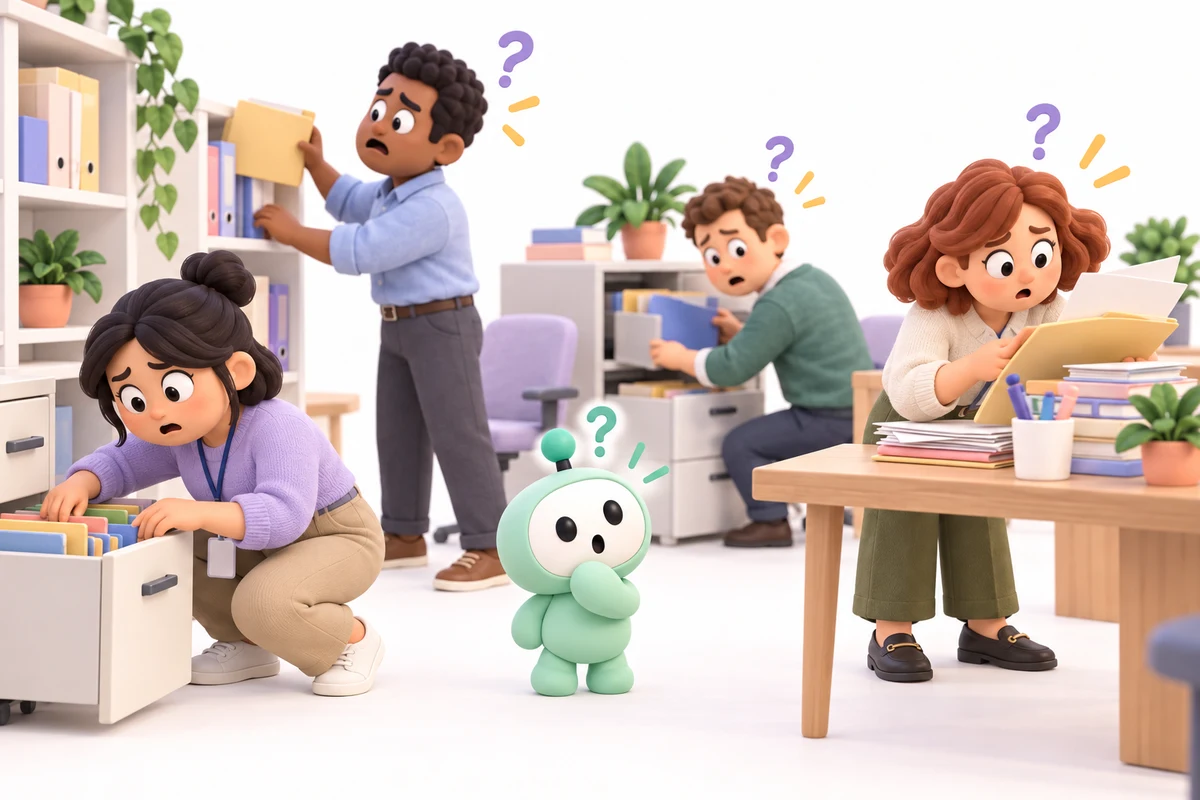
The Next Morning
Someone asks:
“How do we send the monthly report?”
Nobody knows.
Someone else asks:
“Where is the pricing sheet?”
Nobody knows.
Then a customer calls.
They say:
“Dave normally handles this for us.”
Of course he does.
Now everyone starts searching.
Emails.
Slack.
Google Drive.
Old folders.
Notion.
Spreadsheets.
The mysterious drawer.
Nothing.
Eventually someone says:
“Can we text Dave?”
Poor Dave.
He has been gone for 19 hours.
This Happens More Than People Think
Businesses have a lot of hidden knowledge.
Not secret knowledge.
Just stuff people learn over time.
Little things.
How to do a process.
Where to find something.
What a customer prefers.
What went wrong last time.
Why a certain step matters.
Who needs to approve something.
What should happen next.
People remember these things because they do them every day.
The problem is:
The business may not remember them.
What would help your team?
Explore the tools available in your Workspace.
This story shows a setup we can build around your business. We check what can connect first.

Knowledge Can Walk Out The Door
That is the big problem.
An employee learns something.
Then another thing.
Then another thing.
After five years, they know a lot.
But if that information was never saved properly...
it leaves when they leave.
That is not great.
Because now the next person has to learn it all again.
Sometimes the hard way.
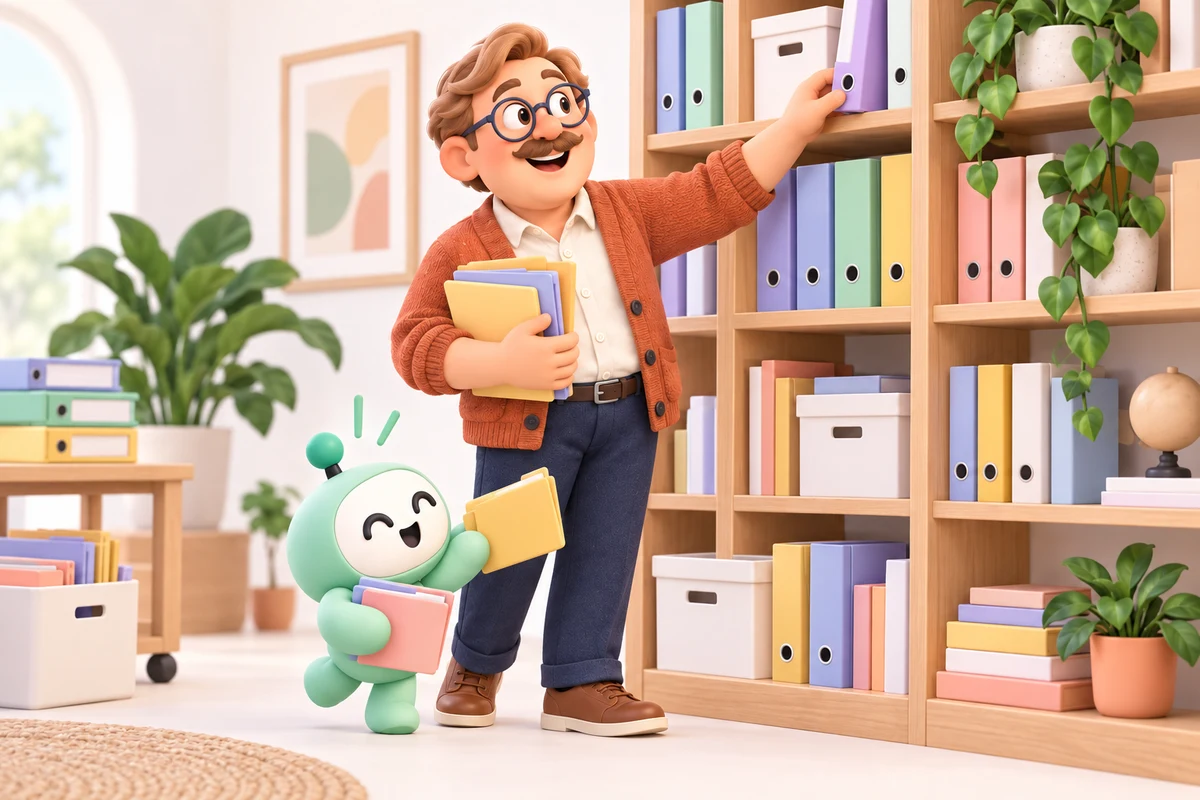
What If The Business Could Remember?
This is where AI can help.
Imagine your team has one place to save useful knowledge.
Files.
Notes.
Processes.
Client history.
Meeting summaries.
Training documents.
Answers to common questions.
Then an AI agent can help read and organize it.
Now the company has memory too.
Not just Dave.
Only save information your team is allowed to use. Keep passwords in a password manager, not in company notes or the agent.
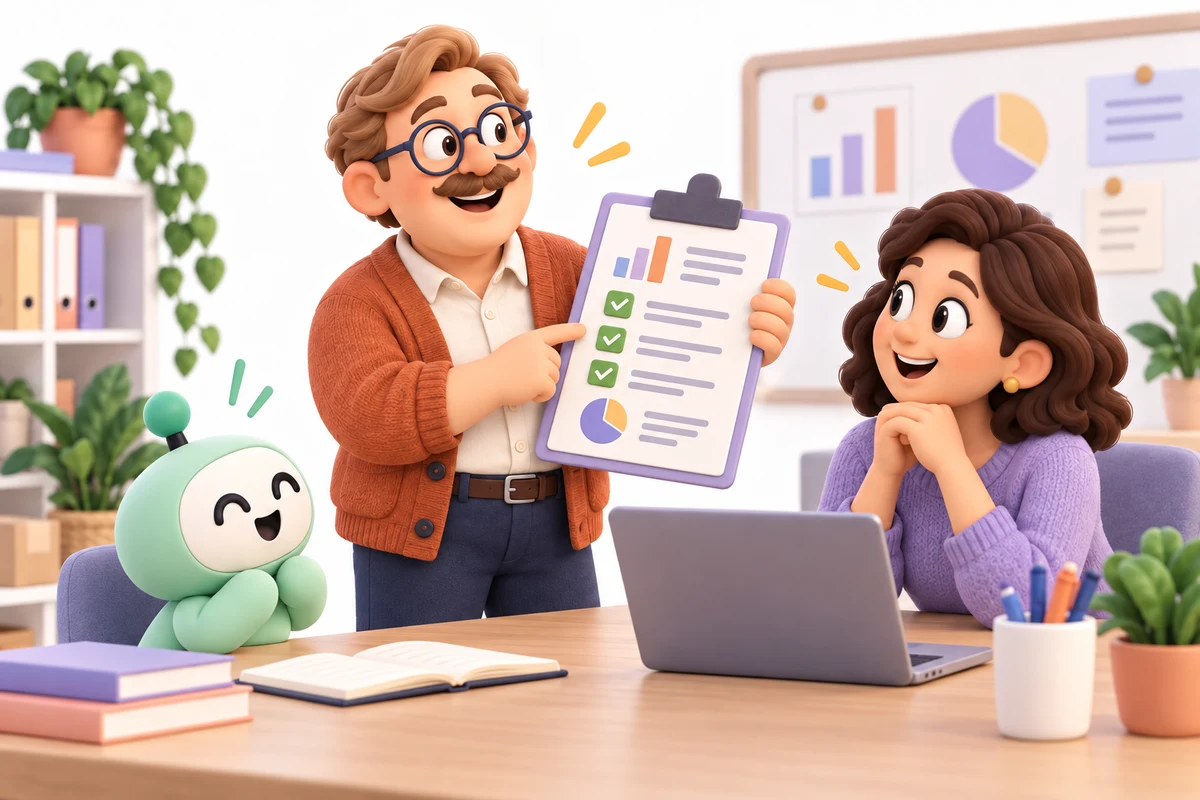
Before Dave Leaves
Let us imagine the company does this the right way.
Dave explains how he works.
The process gets recorded.
His notes get saved.
Important customer details get stored.
Old meeting notes are connected.
Files are organized.
The AI agent can read them.
Now Dave can leave.
The next morning, someone asks:
“How do we send the monthly report?”
They ask the agent.
It says:
“First open the client report folder.
Use the current template.
Pull these numbers.
Send it to these two people.
Dave also noted that the customer prefers it before noon.”
Nice.
Dave can enjoy his vacation.
Ask everyone before recording. Keep notes current, limit who can see them, and check important answers against the original source.
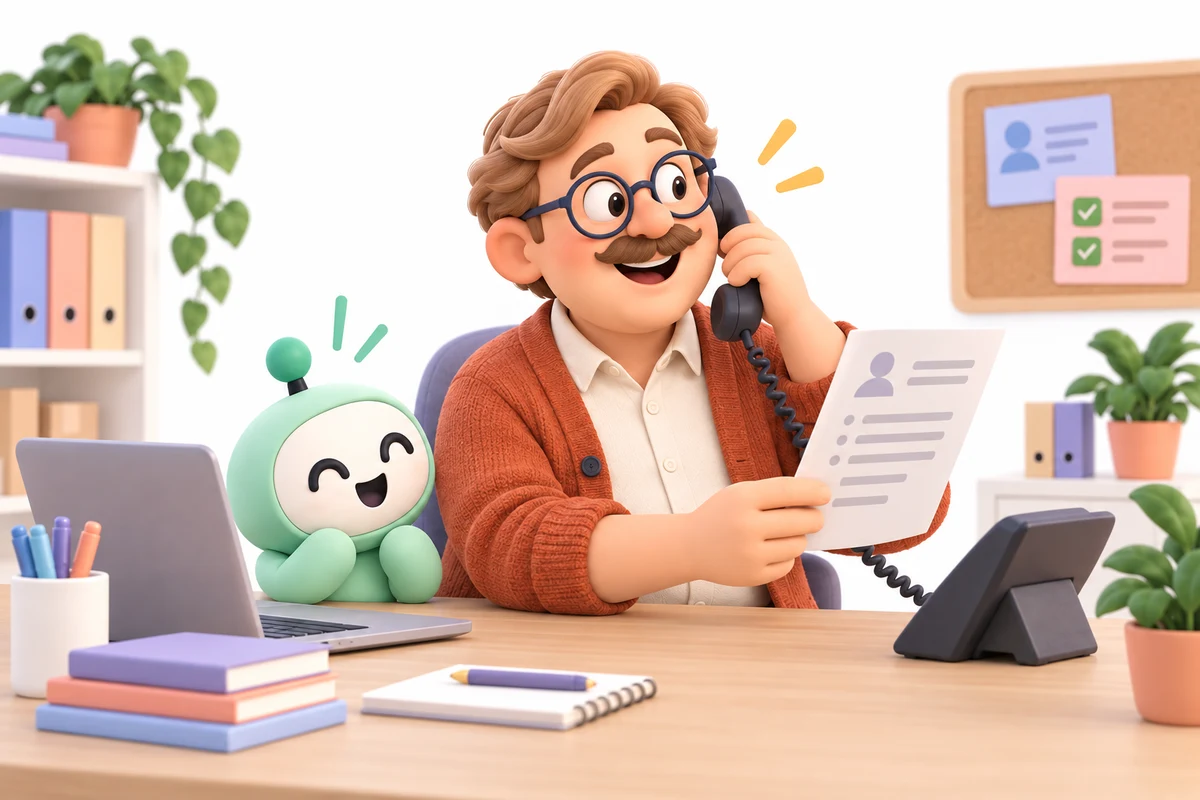
It Helps With Customers Too
A customer calls and says:
“Dave normally helps me.”
Instead of panic...
the new employee can look at the customer history.
They can see:
Past calls.
Important notes.
Files.
Promises.
Problems.
What Dave did last time.
Now the customer does not have to start over.
That matters.
Because nobody likes saying:
“I already explained this.”
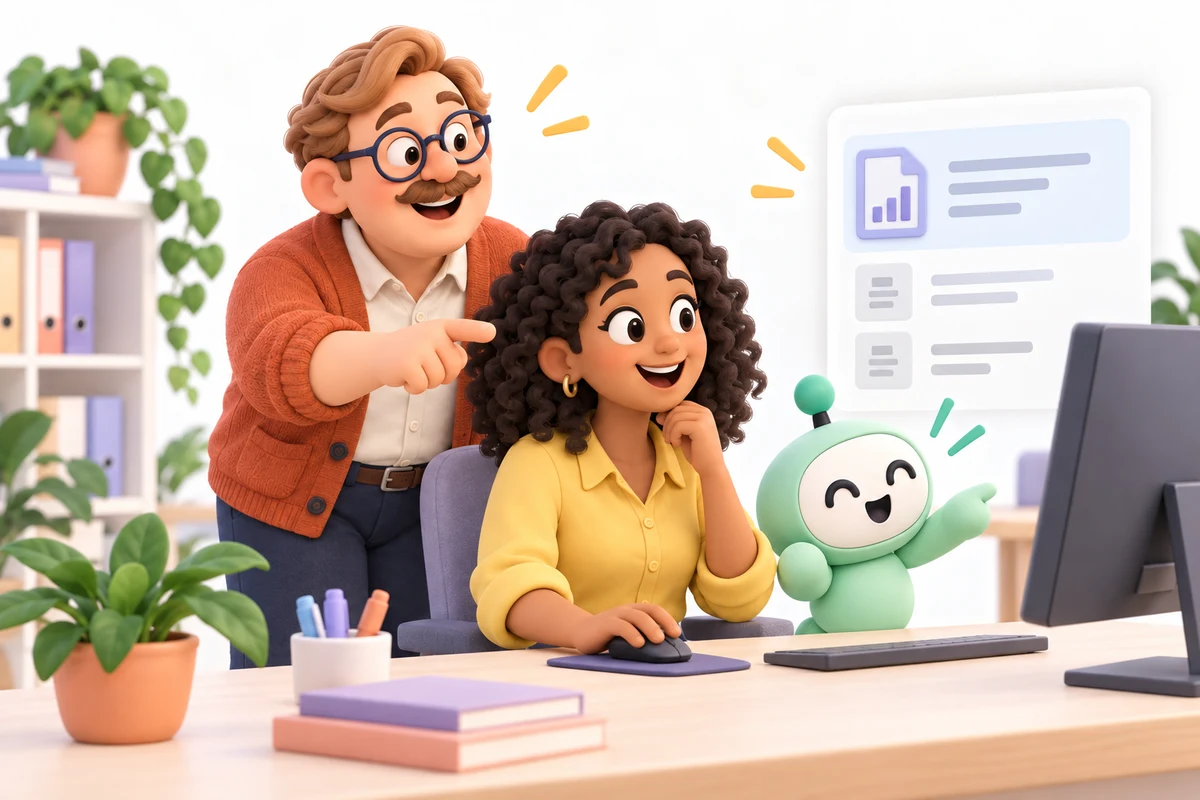
It Can Help New Employees Learn Faster
Now imagine Sarah replaces Dave.
Normally Sarah would spend weeks asking:
“How do I do this?”
“Where is that?”
“Who handles this?”
“Why do we do it this way?”
Nothing wrong with questions.
But now Sarah can ask the company agent.
“How do I prepare this report?”
“What is the process for this customer?”
“Where is the latest pricing?”
“What happens after a contract is signed?”
The agent can help point her in the right direction.
That makes Sarah faster.
And everyone else gets interrupted less.
Very nice.
The Goal Is Not To Replace Dave
This part matters.
Dave is still valuable.
His experience matters.
His judgment matters.
His relationships matter.
The goal is not:
“Put Dave in a robot.”
That would be weird.
The goal is:
Do not let useful knowledge disappear.
Capture it.
Store it.
Organize it.
Make it easy for the next person to use.
A Company Should Be Smarter Than One Person
Think about that.
If one employee leaving can break the company...
that is a problem.
A business should not depend on one brain.
It should build shared knowledge.
So if someone is sick...
or on vacation...
or gets promoted...
or leaves...
the company can keep moving.

The Agent Becomes The Place To Ask
Over time, people stop saying:
“Go ask Dave.”
They start saying:
“Ask the agent.”
Where is the file?
Ask the agent.
How do we do this?
Ask the agent.
What happened with this customer?
Ask the agent.
Why do we use this process?
Ask the agent.
That is powerful.
Not because the agent knows everything.
But because it knows where the knowledge lives.
Your Business Already Has The Knowledge
That is the funny part.
Most companies already have tons of useful information.
It is just scattered around.
In emails.
In files.
In old meetings.
In people’s heads.
The goal is to bring that knowledge together.
Then make it easy to use.
Start Before Someone Leaves
This is important.
Do not wait until Dave gives two weeks’ notice.
That is a stressful time to suddenly ask:
“Can you please explain the entire company?”
Start now.
Capture your important processes.
Save customer history.
Connect your files.
Record useful meetings.
Build your company memory while the people who know the answers are still there.
Much easier.
What problem would you fix first?
Explore the tools available in your Workspace.
This story shows a setup we can build around your business. We check what can connect first.

The Real Goal
Your business should learn.
And it should keep what it learns.
Employees will come and go.
Roles will change.
People will take vacations.
That is normal.
Your company knowledge should stay.
People move on.
Your business memory should not.
And Dave should be allowed to enjoy his vacation without getting 14 texts asking where the spreadsheet is.
Start with one question.
Bring us one task you keep repeating.
Let’s talk about the setup you need.
Explore the tools available in your Workspace.
This story shows a setup we can build around your business. We check what can connect first.
Let’s talk about your business.
Tell us what you need help with.